

















Tattoo Removal in Birmingham
VEAN TATTOO provides tattoo removal in Birmingham for unwanted tattoos, older designs and ink you want to make less visible.
Laser treatment can be used to reduce the appearance of an existing tattoo or lighten selected areas before a future cover-up.
The goal can be different for each client. Some want substantial fading, while others only need to soften dark or dense pigment to give a tattoo artist more flexibility when planning a new design.
Before treatment begins, the tattoo and surrounding skin are assessed individually. Pigment colour, density, depth, the age of the tattoo and the condition of the treatment area are considered when planning the procedure and setting realistic expectations.

 Make a sketch in the AI VEAN TATTOO generator

How laser tattoo removal works
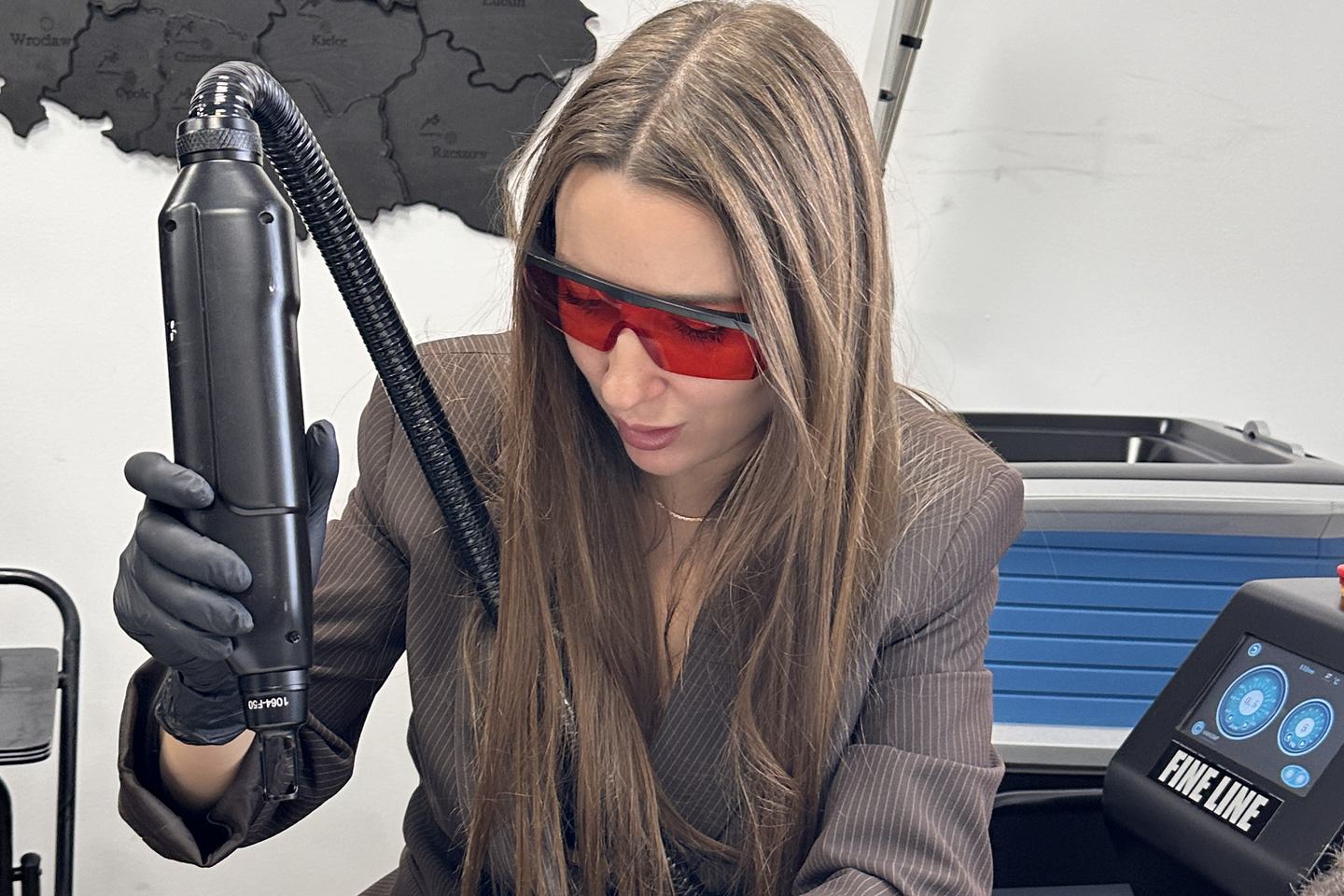
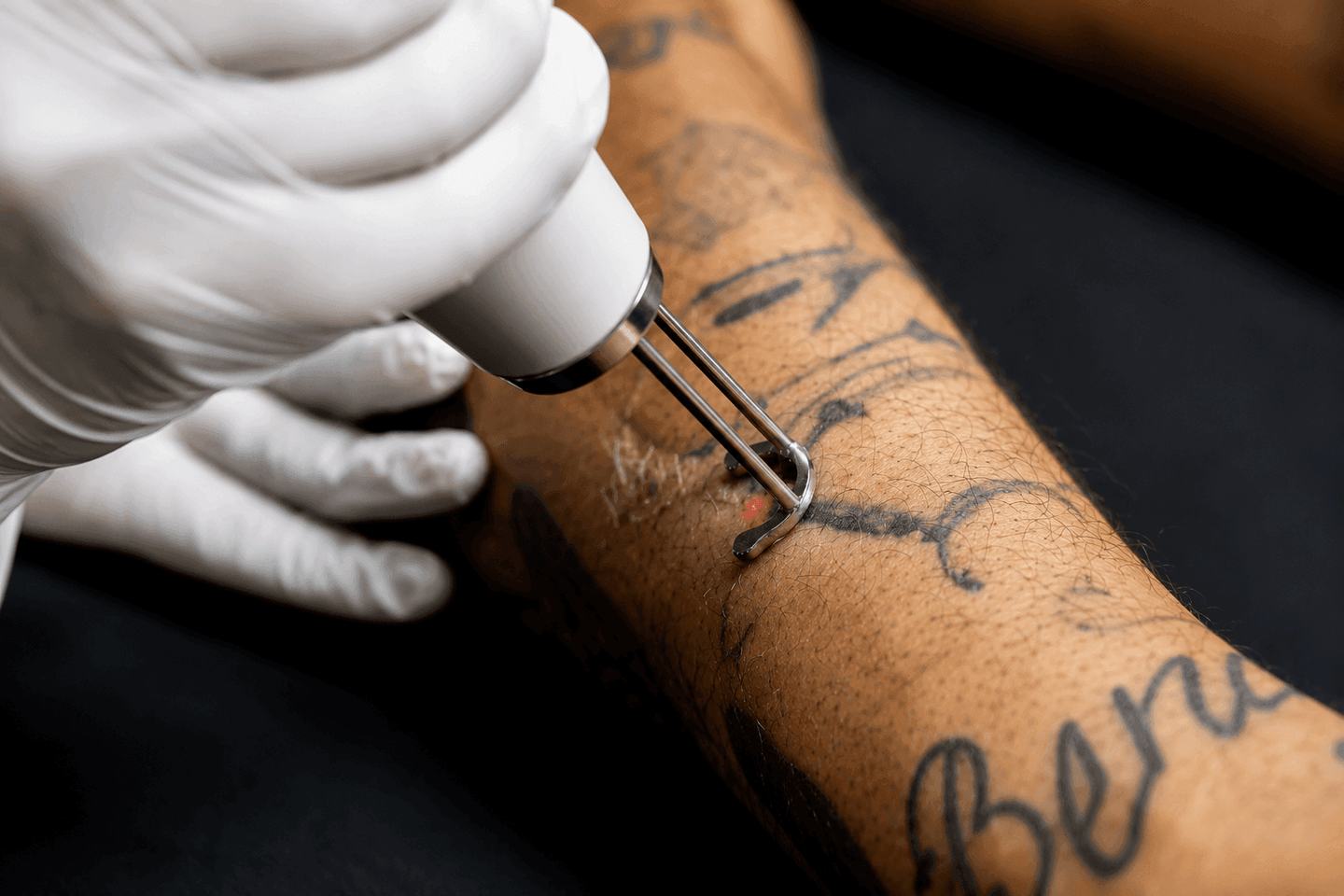
VEAN TATTOO uses the FINE LINE Diktator LS-3 picosecond laser for tattoo removal.
The technology delivers short pulses of energy that target tattoo pigment and break it into smaller particles. These particles are gradually cleared through the body's natural processes, so visible fading develops between sessions rather than being completed during the appointment itself.
For anyone considering laser tattoo removal in Birmingham, it is important to understand that pigments can respond at different rates. Dark or densely saturated areas may behave differently from lighter colours, while separate parts of a multicoloured tattoo can fade unevenly.
Certain pigments may also respond unpredictably to laser exposure, including temporarily changing in appearance or becoming darker. The response of the tattoo is therefore reviewed as treatment progresses.
Consultation before the first session
The process starts with an assessment of the tattoo and the surrounding skin.
The specialist considers the size and location of the design, pigment colours and density, approximate depth, age of the tattoo and previous treatment where relevant. The intended result is discussed at the same time, whether the goal is substantial fading, reducing visibility or preparing the design for a cover-up.
Treatment may need to be postponed if there is active inflammation, infection, broken or significantly irritated skin within the area, or if the skin has been recently or heavily tanned.
Clients should also inform the specialist about pregnancy, existing medical conditions, current medication, a tendency towards abnormal scarring and significant changes in health. Some medications may increase sensitivity to laser treatment, so suitability is assessed individually and medical advice may be recommended where appropriate.


What happens during the procedure
The selected area is cleaned and prepared before treatment begins, and protective eyewear is used during the procedure.
Laser parameters are selected according to the tattoo, pigment characteristics and the skin's individual response. A session typically takes approximately 10-30 minutes, although the exact duration depends on the size and location of the tattoo as well as the density and characteristics of the pigment.
Clients may experience heat, tingling, stinging or a brief snapping sensation during treatment. The intensity can vary between people and treatment areas.
Temporary whitening of the treated area, known as frosting, can appear immediately after laser exposure. Redness, warmth, mild swelling and increased sensitivity are also possible short-term reactions, while the actual fading of the tattoo becomes clearer later.
Aftercare and healing
The treated skin needs time to recover before another session is considered.
Small blisters, crusting or flaking may occur during healing and should be allowed to recover naturally without picking or scratching.
After treatment:
- keep the area clean;
- avoid scratching, picking and unnecessary rubbing;
- avoid swimming pools, saunas and hot baths until the area has recovered;
- protect the treated skin from direct sun;
- follow the aftercare guidance provided after the procedure.
Temporary changes in skin pigmentation, including lightening or darkening, can also occur. In less common cases, pigmentation changes may persist for longer periods or scarring may develop.
The appearance of the tattoo continues to change during recovery, so the response to each session is assessed after the skin has had sufficient time to heal.


How many sessions are needed?
There is no standard number of sessions for every tattoo.
The number required depends on factors including the size, density, depth, composition and colour of the pigment, the age of the tattoo, the treatment area and the body's individual response. A lightly saturated design can therefore respond differently from a large or densely pigmented tattoo.
The recommended interval between sessions is generally 6-8 weeks. The exact timing depends on the recovery of the skin, its response to the previous treatment and the characteristics of the treated area. A longer interval may be recommended where appropriate, and further treatment is performed only once the skin has recovered sufficiently.
Complete removal cannot be guaranteed. Some tattoos become significantly lighter while traces of pigment remain. If complete removal is not necessary, controlled fading can instead be used to create a lighter base for a future cover-up.


Tattoo Removal Prices at Our Birmingham Studio
For clients looking for a Birmingham tattoo removal service, VEAN TATTOO offers both substantial fading and targeted lightening before future cover-up work.
Treatment is carried out using the FINE LINE Diktator LS-3 picosecond laser, with the tattoo and skin assessed before the procedure.
Prices are based on the size of the treatment area:
- 2 x 2 cm - £30
- 4 x 4 cm - £40
- 5 x 5 cm - £50
- 10 x 5 cm - £75
- 10 x 10 cm - £100
- 15 x 7 cm - £100
- 15 x 10 cm - £125
- 15 x 15 cm - £150
An additional 15% applies to treatment on the belly, face, hands and neck.
Because laser treatment is available within a tattoo studio, clients planning a cover-up can also discuss future tattoo options and how much fading may be useful before a new design is developed.


FAQ
- How much does tattoo removal cost in Birmingham?
Prices start from £30 for a 2 x 2 cm treatment area and increase according to size. A 15% additional charge applies to treatment on the belly, face, hands and neck, and the applicable price is confirmed for the area being treated. - How many tattoo removal sessions will I need?
There is no fixed number of sessions. Tattoo size, pigment density, depth, colour, composition, age and individual response all affect how the design fades and whether further treatment is required. - How long should I wait between laser tattoo removal sessions?
The recommended interval is generally 6-8 weeks, although the exact timing is determined individually. Further treatment is carried out only after the skin has recovered sufficiently, and a longer interval may sometimes be recommended. - Does laser tattoo removal hurt?
The procedure can be uncomfortable, and the sensation differs between people and treatment areas. It may feel like heat, tingling, stinging or brief snapping against the skin. - Can all tattoo colours be removed?
Different pigments respond differently to laser treatment, so some colours may fade more readily than others. Certain pigments can also react unpredictably or temporarily become darker, and complete removal cannot be guaranteed. - Where can I get tattoo removal in Birmingham?
Laser tattoo removal in Birmingham is available at VEAN TATTOO, 9-10 Suffolk Street Queensway, Birmingham B1 1LT. The studio provides both laser removal and controlled fading for clients preparing an existing tattoo for a future cover-up.


