

















Tattoo Removal in Bristol
Unwanted tattoos can be reduced progressively with laser treatment rather than removed in a single procedure.
At VEAN TATTOO, tattoo removal in Bristol is planned around the existing tattoo, the condition of the treatment area and the way the pigment responds over time.
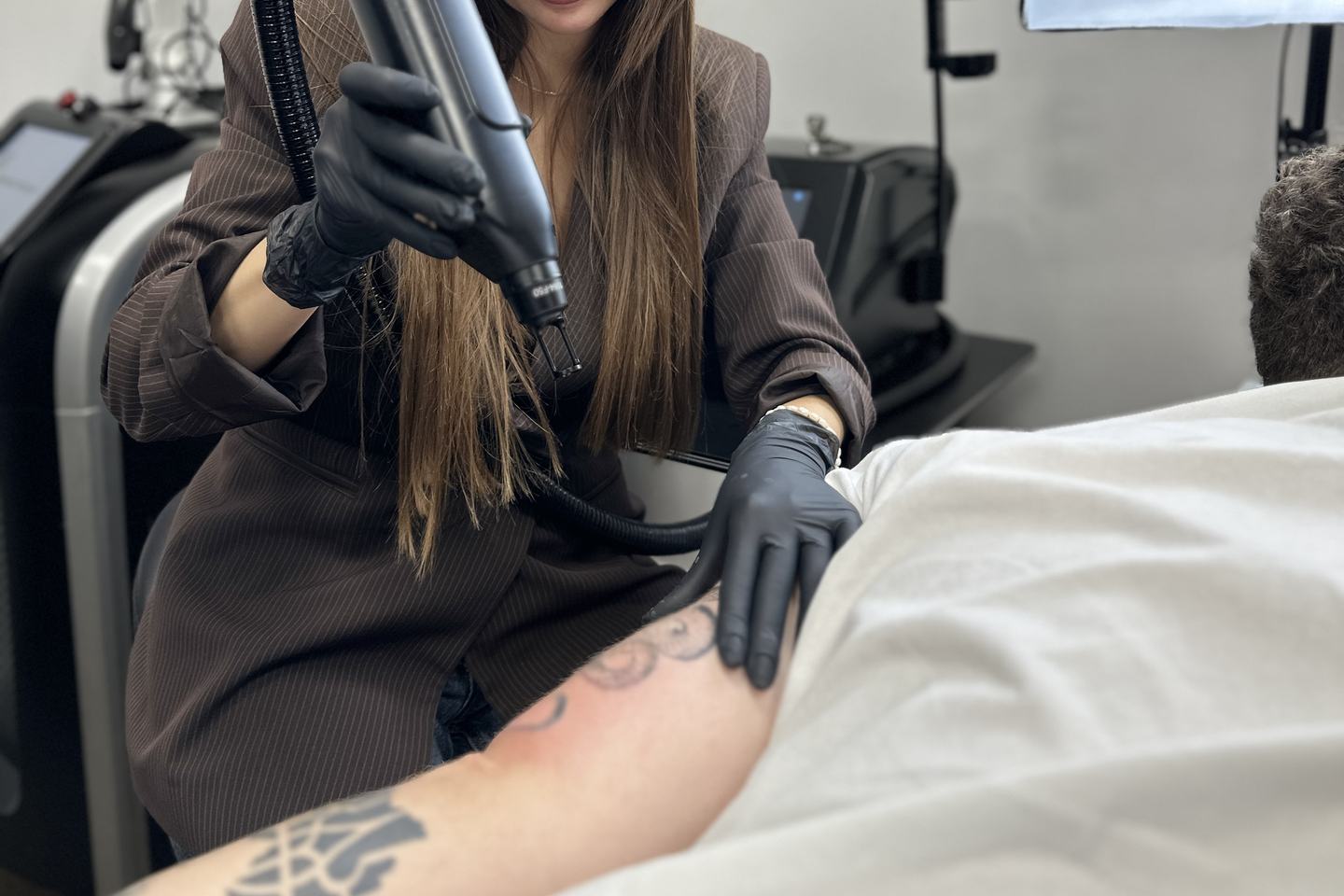
Treatment is performed using the FINE LINE Diktator LS-3 picosecond laser. Short pulses of energy target the tattoo pigment and break it into smaller particles, while visible fading develops gradually between sessions.
The aim is usually to reduce unwanted ink as far as the tattoo allows. If complete removal is not necessary, the same process can also be stopped at a suitable level of fading, for example when an old tattoo is being prepared for future work.
 Make a sketch in the AI VEAN TATTOO generator
Picosecond laser treatment for tattoo pigment
The FINE LINE Diktator LS-3 delivers short pulses of energy directly to the pigment within the tattoo.
Once the pigment absorbs this energy, it breaks into smaller particles. These fragments are gradually cleared through the body's natural processes, so the appearance of the tattoo changes after treatment rather than disappearing during the appointment itself.
For clients considering laser tattoo removal in Bristol, this gradual process is important. Each session targets the remaining pigment, while the response between appointments provides useful information for planning further treatment.
The laser does not produce the same response in every tattoo. The composition of the ink and the way the original design was applied influence how effectively individual areas fade.


What affects tattoo removal results?
Tattoo size is only one part of the picture. Several characteristics influence how an unwanted design responds to laser treatment.
Dark and saturated pigments often react differently from pale, pastel or flesh-toned colours. Certain inks are more resistant, and some pigments can change tone or become darker after laser exposure.
Density also matters. Fine lines and lightly shaded areas contain less pigment than heavy blackwork, solid colour or sections that have been repeatedly worked.
The approximate depth, composition and age of the ink also affect the process. A multicoloured tattoo can therefore fade at different rates across the same design.
For this reason, results are assessed from the tattoo's actual response rather than predicted from size or appearance alone.


Assessment before the first treatment
A removal plan starts with checking both the tattoo and the condition of the skin.
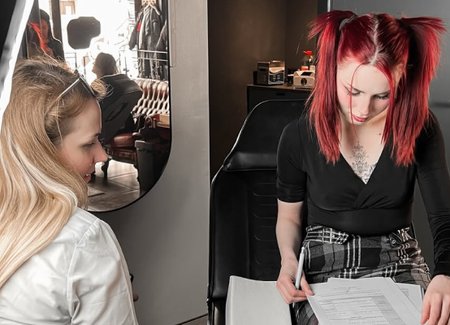
The specialist assesses the treatment area, characteristics of the pigment and any factors that could influence the procedure or recovery. Previous laser treatment should also be discussed, as the existing response can affect how the tattoo is approached.
Clients should provide relevant information about medication, medical conditions, pregnancy, a tendency towards abnormal scarring and significant recent changes in health. Certain medication can increase skin sensitivity, so suitability is considered individually.
Treatment is postponed if the area has active inflammation or infection, broken or significantly irritated skin, or a recent or heavy tan.
Before your appointment:
- protect the area from tanning and strong sun exposure;
- avoid scrubs, peels and aggressive active products;
- arrive with clean skin without active irritation;
- mention previous laser treatment on the tattoo;
- tell the specialist about relevant medication and health conditions;
- follow any individual preparation advice given during consultation.
Where appropriate, treatment can be delayed until the area has recovered sufficiently or further advice has been obtained.


What happens during a removal session?
A treatment session typically lasts around 10-30 minutes.
The exact duration is influenced by the size and location of the tattoo, pigment density and the amount of ink being treated.
The area is cleaned before the procedure and protective eyewear is used during laser exposure. The specialist then works across the selected pigment while monitoring the response of the treated skin.
Clients commonly describe the sensation as snapping, stinging or heat. Sensitivity differs between areas of the body and can be more noticeable over densely tattooed skin.
Temporary whitening of the treated pigment, known as frosting, can appear immediately afterwards. Redness, swelling, warmth, increased sensitivity or a burning sensation can also occur.
During recovery, small blisters, crusting or flaking are possible. Temporary lightening or darkening of the skin can occur as well, while longer-lasting pigmentation changes or scarring are less common.


Recovery and timing between sessions
Recovery is an important part of the removal process because another procedure should only take place once the skin has healed sufficiently.
Keep the treated area clean and minimise unnecessary friction. If crusts develop, allow them to come away naturally rather than scratching or picking them.
After treatment:
- avoid swimming pools, saunas and hot baths until the area has recovered;
- do not scratch or remove crusts;
- wear loose clothing where possible if fabric covers the treated area;
- protect the area from direct sun;
- follow the aftercare guidance provided after your appointment.
The recommended interval between sessions is generally 6-8 weeks. This is not an automatic schedule. Skin recovery, response to the previous treatment, tattoo location and pigment characteristics are reviewed before another appointment is arranged.
Sometimes a longer interval is more appropriate. Further treatment is carried out only after sufficient recovery.


How much of a tattoo can be removed?
The result is individual, and complete removal cannot be guaranteed in advance.
Some tattoos respond strongly and become substantially less visible. Others retain areas of pigment, particularly where the ink is dense, deep, resistant or made up of colours that respond less predictably to laser energy.
The number of sessions also differs between tattoos. Size, density, pigment depth and composition, colour, tattoo age and the body's individual response all influence the overall course of removal.
Progress is therefore reviewed between treatments rather than promising a fixed number of appointments at the beginning.
The main objective remains reducing unwanted pigment. If the desired result is reached before complete clearance, treatment does not have to continue simply for the sake of removing every remaining trace.


Why choose VEAN for laser removal in Bristol?
VEAN TATTOO combines individual assessment, picosecond laser technology and structured aftercare within a professional tattoo studio.
Treatment is carried out with the FINE LINE Diktator LS-3, while the plan is based on the existing tattoo and its response rather than a standard number of sessions for every client.
For anyone comparing Bristol tattoo removal options, the studio also offers a practical advantage when future tattoo work is part of the plan. Removal can remain the sole objective, or a future cover-up can be discussed with the tattoo team once sufficient pigment has been reduced.
Book a consultation to have the tattoo assessed and discuss the most appropriate approach to removing the unwanted pigment.


FAQ
- How much does tattoo removal cost in Bristol?
The price is confirmed after the tattoo has been assessed. The size and location of the design, amount of pigment and treatment required all influence the cost, so the relevant price can be discussed before the first session is booked. - Can a tattoo be completely removed?
Some tattoos can become significantly less visible, but complete removal cannot be guaranteed. Pigment colour, density, depth, composition and individual response all influence the final result. - How many tattoo removal sessions will I need?
There is no fixed number of sessions for every tattoo. The treatment course is influenced by the characteristics of the ink and the response seen after previous procedures, so progress is reviewed as removal continues. - How long does a tattoo removal session take?
A typical session lasts around 10-30 minutes. The exact duration depends on the size and location of the tattoo, pigment density and the area that needs to be treated. - Can coloured tattoos be removed with a picosecond laser?
Coloured tattoos can be treated, but individual pigments respond differently to laser energy. Some shades are more resistant or can change tone, so the colour composition is considered during the initial assessment. - Where can I get laser tattoo removal in Bristol?
Laser tattoo removal in Bristol is available at VEAN TATTOO, G/F Left, Arclight House, 3 Unity St, BS1 5HH. Book a consultation to have your tattoo assessed and discuss the removal process.


