









Tattoo course in Bristol city centre
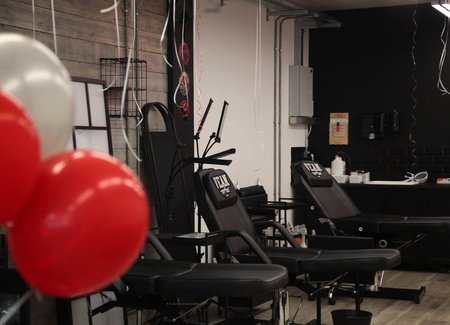
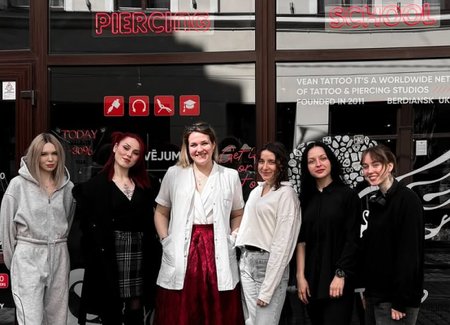
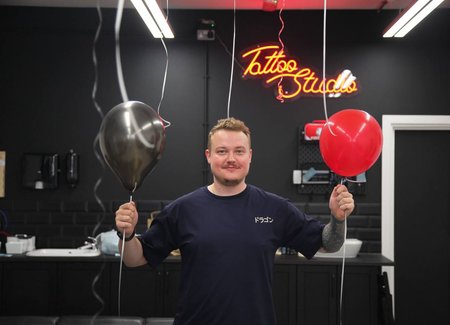
A tattoo course in Bristol gives beginners the opportunity to build a practical foundation in tattooing and understand how the work is organised in a professional studio environment. Training takes place at VEAN TATTOO, G/F Left, Arclight House, 3 Unity St, BS1 5HH, in Bristol city centre.
The course is designed for people who want to start learning tattooing in a structured way, combining essential knowledge with guided practice. Students can develop their technique, become more familiar with the working process and gain a clearer understanding of what is required to continue progressing as a tattoo artist.
Different training options make it possible to choose a programme that matches your starting level and learning goals. The focus is on building useful skills and a solid base for further independent practice and development.
 Make a sketch in the AI VEAN TATTOO generator
Why studio-based tattoo training matters
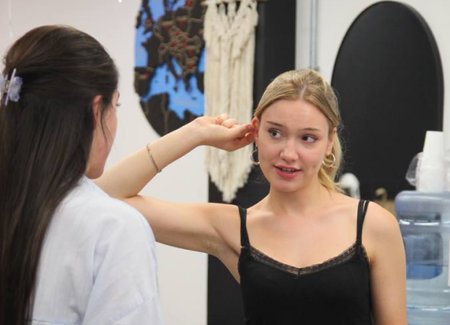
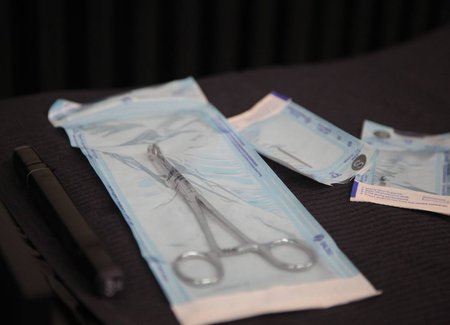
Learning tattooing involves more than practising individual techniques. Training in a working studio environment helps students understand how different parts of the process connect - from preparing the workspace and organising equipment to discussing a design, planning its placement and maintaining clear communication throughout a session.
Regular feedback also plays an important role in development. An instructor can point out technical issues, explain how to approach a task differently and help students understand where more practice is needed. This makes it easier to identify strengths and weaknesses rather than relying only on independent trial and error.
The course also introduces students to the discipline and responsibility involved in professional tattoo work. Alongside developing technique, they gain a clearer understanding of studio routines, client care and the standards they will need to consider as they continue developing as tattoo artists.


What you will learn during the course
The course introduces the essential knowledge behind tattooing, including hygiene principles, tattoo equipment, needle configurations, pigments and design preparation. Students also learn how composition, scale and placement affect the way a tattoo works on the body.
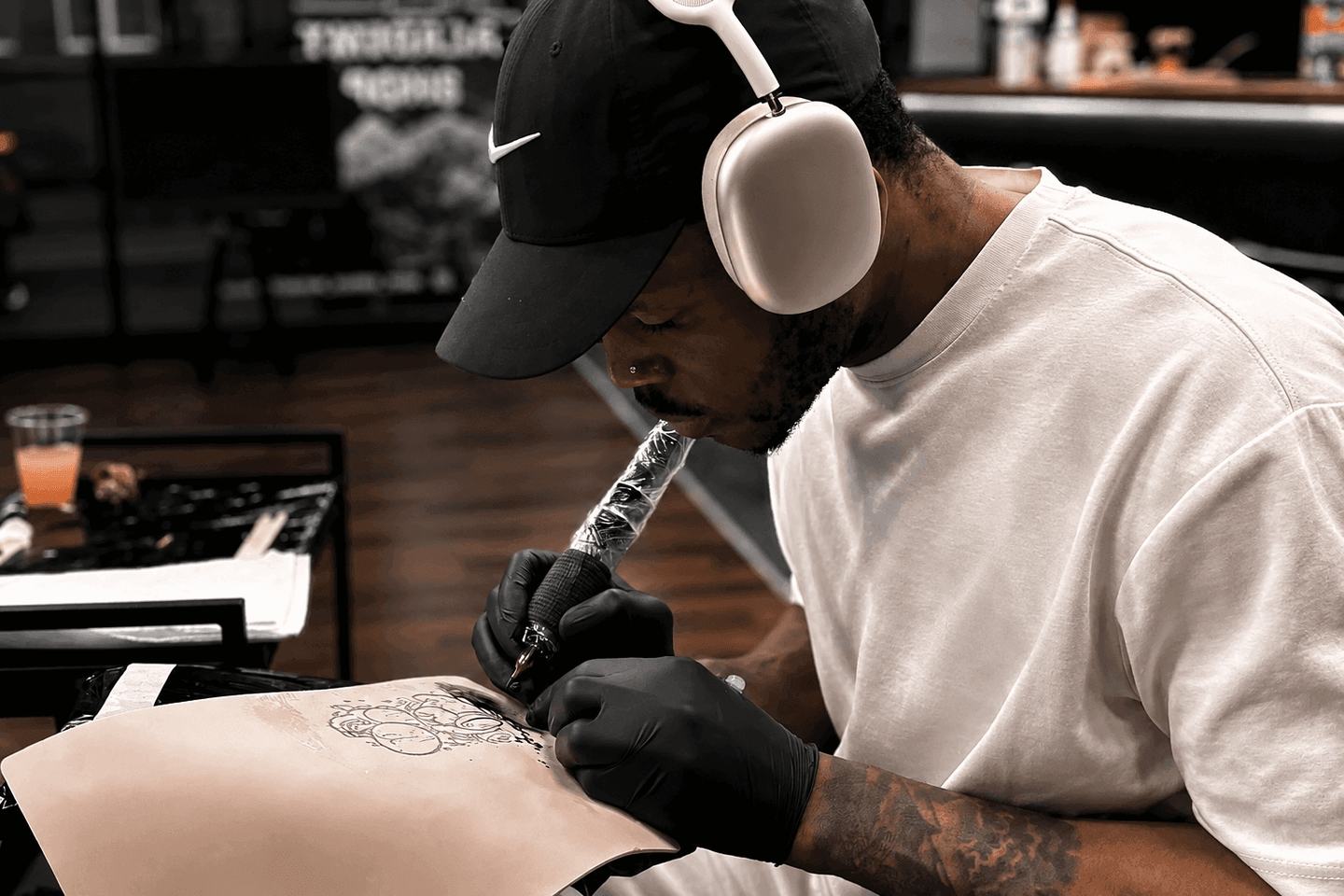
Practical training covers linework, shading, filling and colour techniques, with exercises becoming progressively more complex as skills develop. Students begin on artificial tattoo skin, where they can practise control, consistency and different approaches before moving on to the next stage of training.
Depending on the selected course, the programme may also include supervised tattooing on a model. This stage allows students to apply the techniques they have already practised and understand how they work together during an actual tattoo session.
FAQ about tattoo courses in Bristol
- How much do tattoo courses cost in Bristol?
The cost depends on the selected programme, its content and the amount of practical training included. You can check the current course options on our tattoo courses page. Programme details and final conditions are confirmed before booking. - Where in Bristol is the tattoo course held?
Training takes place at G/F Left, Arclight House, 3 Unity St, BS1 5HH, in Bristol city centre. The location provides a working studio environment where students can become familiar with how professional tattoo sessions are organised. - What is the difference between the available tattoo course options?
The programmes can vary in depth, duration, practical focus and the range of techniques covered. This makes it possible to choose a format that better matches your current experience and learning goals. - Do I need to buy tattoo equipment before starting the course?
It is better to discuss equipment requirements before purchasing anything. The instructor can explain which tools and materials are relevant to the programme and what may be useful later for independent practice. - Can I bring my own drawings or tattoo ideas to the course?
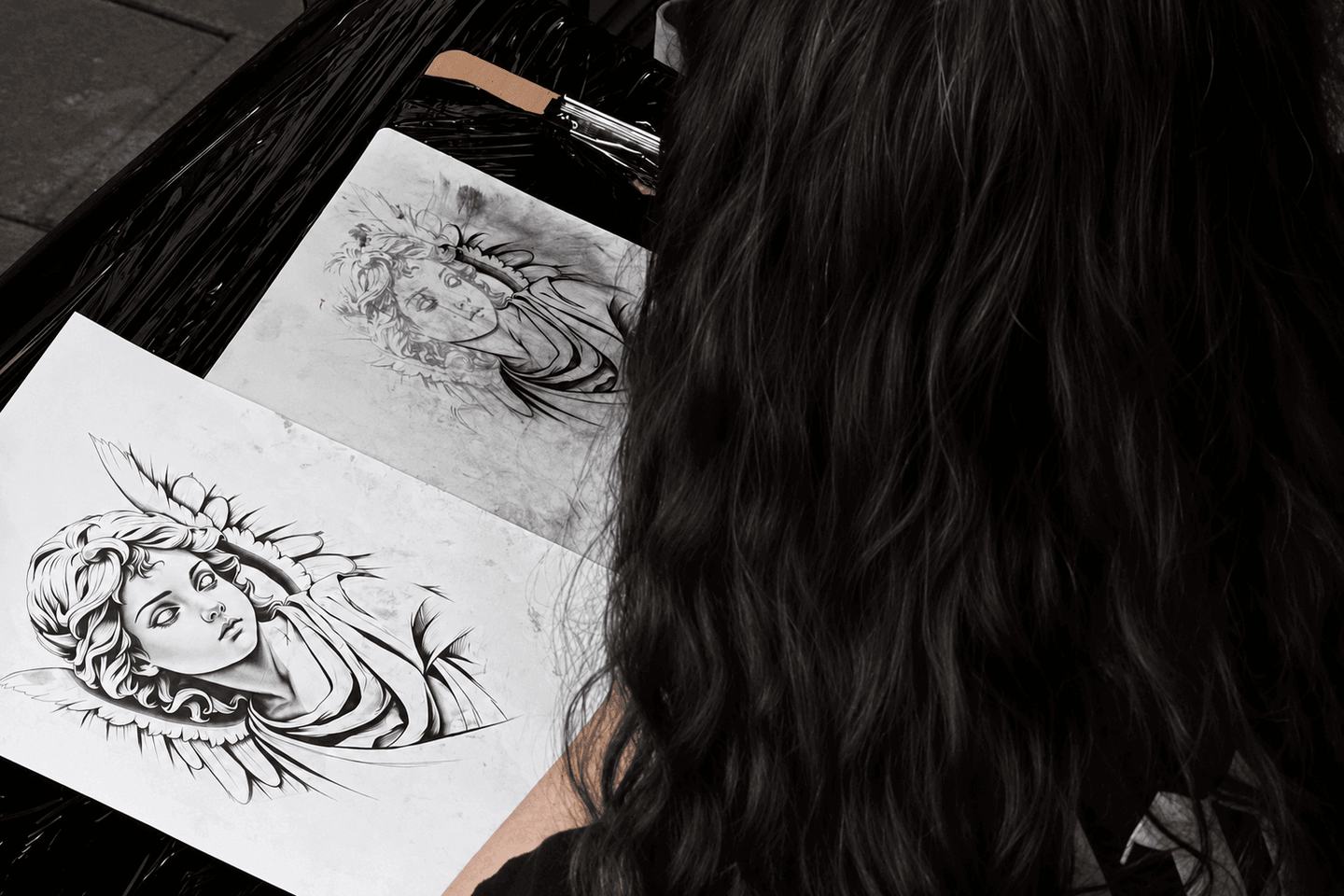
Yes, you can discuss your own sketches, references and ideas during training. This can help you understand how a design may need to be adjusted for tattooing, including its scale, composition and placement on the body. - How much practical training is included in the course?
The balance between theory and practice depends on the selected programme. Practical exercises are introduced progressively and can include work on artificial tattoo skin, with more advanced stages added as students develop the required skills.


