













Piercing course in Bristol city centre
A successful piercing starts well before the procedure itself. Choosing the right placement, assessing the area and selecting suitable jewellery all require careful judgement, and these decisions are an important part of learning how professional piercing works.
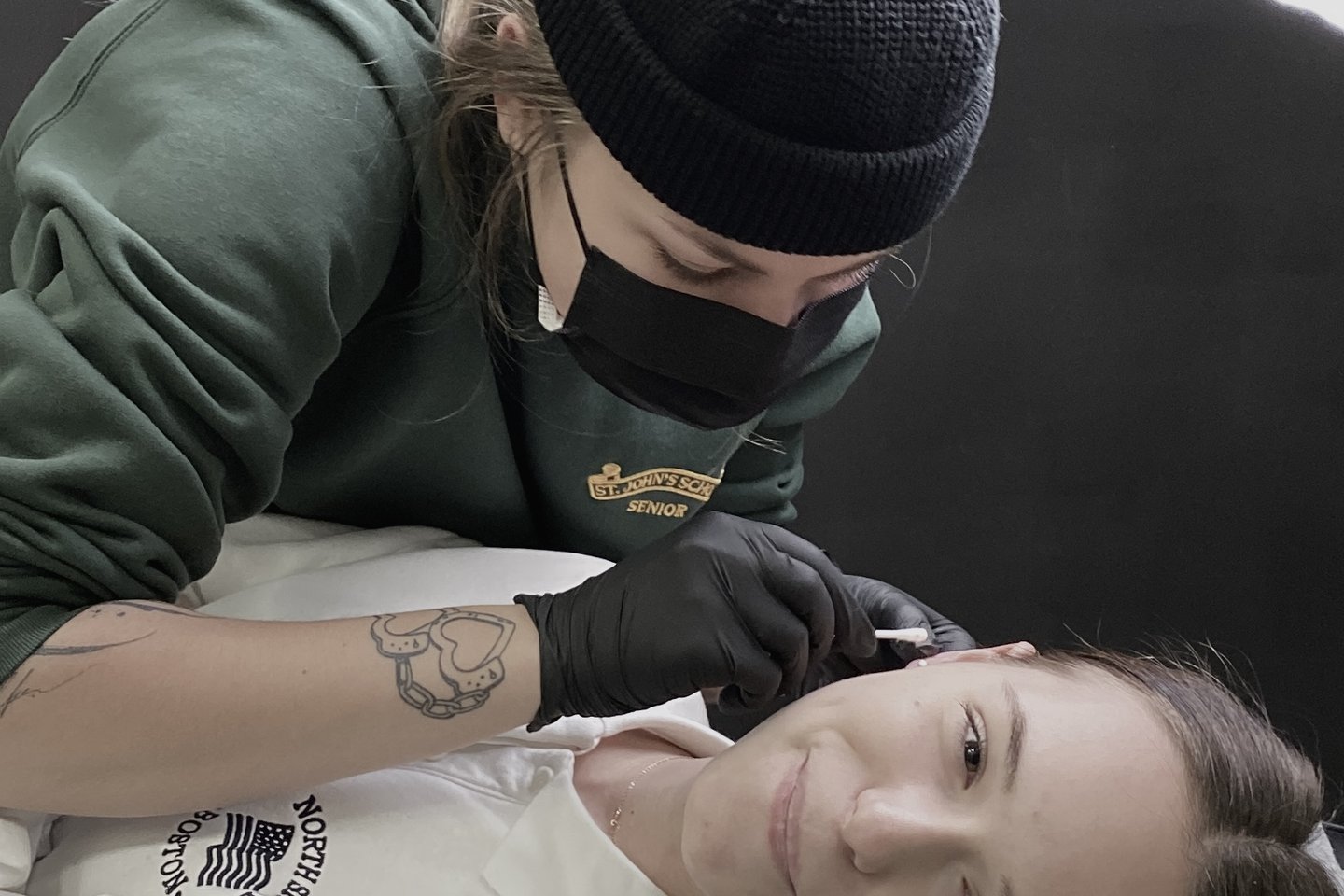
Our piercing course in Bristol introduces students to this decision-making process alongside the practical side of the work. Training takes place at VEAN TATTOO, G/F Left, Arclight House, 3 Unity St, BS1 5HH.
Students learn how consultation, preparation, technique and aftercare connect throughout a piercing appointment. Rather than studying individual actions in isolation, they develop a clearer understanding of the process as a whole and why different situations may require different approaches.
 Make a sketch in the AI VEAN TATTOO generator
Developing a professional approach to piercing
Learning piercing is not only about performing the procedure correctly. Students also need to understand how to assess each situation, communicate clearly with clients and make considered decisions rather than following the same approach every time.
Body piercing training in Bristol helps students develop these working habits alongside their practical skills. Attention is given to accuracy, responsibility and understanding when a particular placement or approach may need to be reconsidered.
The course provides a starting framework for professional development, but progress continues through regular practice, feedback and further experience. The aim is to help students leave training with a clearer understanding of both the practical work and the responsibility involved in piercing.


How practical piercing training works
Practical piercing training in Bristol is built around gradually applying what students have learned rather than moving straight into independent procedures. Demonstrations and guided exercises help students become familiar with the working process and develop greater control before progressing further.
During practical sessions, the instructor can observe how each student works, point out mistakes and explain where their technique or approach needs adjustment. This makes feedback part of the learning process rather than something students have to work out on their own.
Depending on the selected programme and stage of preparation, training may also include supervised work with models. This gives students an opportunity to connect their theoretical knowledge with practical experience while continuing to receive guidance.


Piercing course questions from Bristol students
- How much do piercing courses cost in Bristol?
The cost depends on the selected programme, its duration and the amount of practical training included. You can compare the current options on our piercing courses page. Programme details and final conditions are confirmed before booking. - Where is the Bristol piercing course taught?
Training takes place at G/F Left, Arclight House, 3 Unity St, BS1 5HH, in Bristol city centre. Course dates and attendance arrangements for this location can be confirmed before enrolment. - Does the course cover client consultation before a piercing?
Yes. Students learn why consultation is important before a procedure, including discussing the chosen placement, assessing relevant factors and making sure the client understands what to expect. - Will I learn when a piercing placement may need to be reconsidered?
The training introduces students to the factors that can affect whether a particular placement is appropriate. This includes anatomical differences and why the same approach may not be suitable for every client. - Do I need to buy piercing equipment before starting the course?
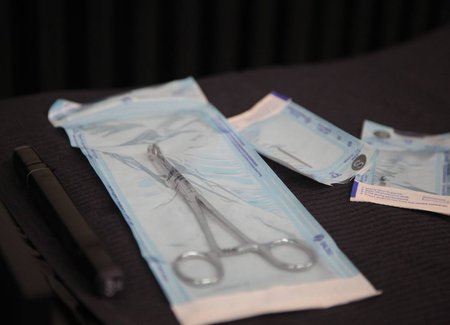
It is better to check the requirements of the selected programme before purchasing equipment. This helps you understand which tools and materials are relevant to the training and what may be useful later for further practice. - What should I consider before learning to pierce professionally?
Learning the procedure itself is only one part of becoming a piercer. It is also important to understand hygiene responsibilities, client communication, jewellery selection and the need for continued practice after completing a course.


